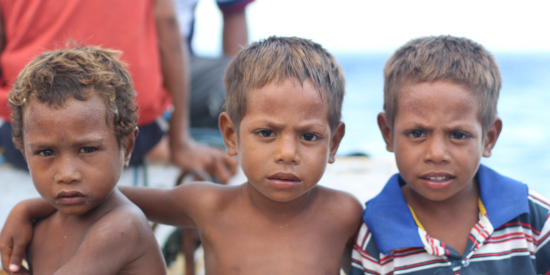
New Project Timor-Leste
E-LETRA (Ending Leprosy Transmission in Oecusse-Ambeno)
Working across the whole region of Oecusse, Timor-Leste, the project seeks to end leprosy transmission in the area. Oecusse has a population of approximately 80,000 people. However, they are all scattered across a large geographical area often in difficult to reach areas due to poor road conditions. Leprosy is endemic with high numbers of leprosy related disabilities due to limited health services.
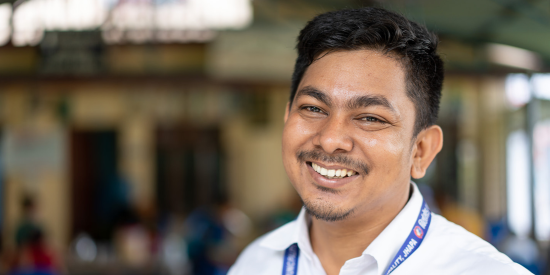
Nepal
Jhapa Leprosy Reduction
The rate of child leprosy in Jhapa are higher than the national average. Child leprosy cases is an indication of active leprosy transmission in a community. Working in 6 municipalities across Jhapa, Eastern Nepal, the project aims to reduce leprosy transmission rates in children to less than 10% of all leprosy cases.
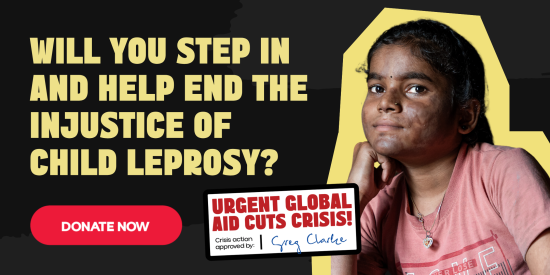
India New Project
Protect Children like Nisha today!
Children like Nisha are being denied the care they urgently need. Can you step into this crisis today?
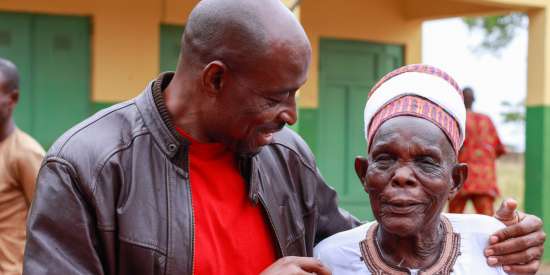
Where Needed Most
Where Needed Most
By making a general donation, you’ll be making a real difference — curing people of leprosy, preventing or assisting them with their disabilities, providing income-generating opportunities, educating their children, and restoring them to their families and communities.
New Project Indonesia
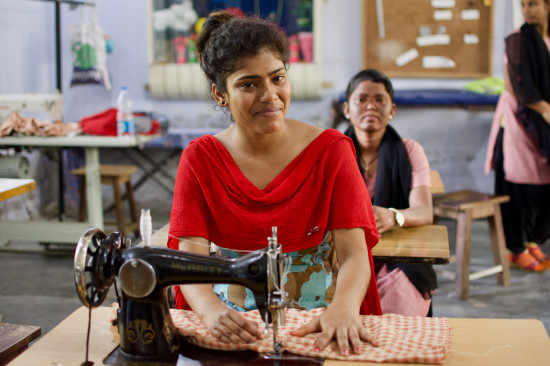
Comprehensive Zero Leprosy Project (Co-ZLP)
Located in Karawang District, West Java, the project works in both the rural and urban areas within the district to implement an effective leprosy control program and reduce fear and discrimination against the disease. This project implements both the Leprosy Friendly Village approach and the Urban Leprosy approach.
Indonesia
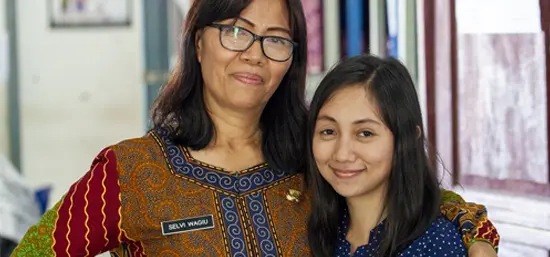
Leprosy Friendly Village Desaku
Villages are important places for people to have community and a sense of belonging. Unfortunately, due to misinformation and a lack of understanding, patients with leprosy are marginalised, feared and discriminated against, even by the health workers who are suppose to be treating them.
Nepal
No child should suffer leprosy
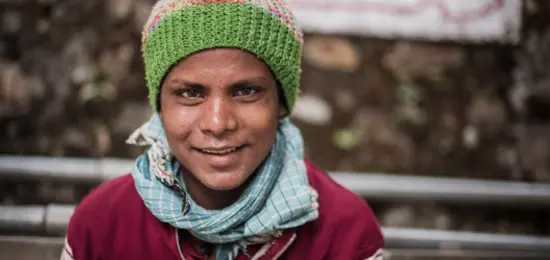
No child should suffer leprosy.Your urgent action now offers new life! Sometimes the suffering is just too much. What Satendra did to try to escape the suffering of leprosy is heartbreaking… Satendra was a boy. Just a boy.
Where Needed Most
Where Needed Most
By making a general donation, you’ll be making a real difference — curing people of leprosy, preventing or assisting them with their disabilities, providing income-generating opportunities, educating their children, and restoring them to their families and communities.
Nepal
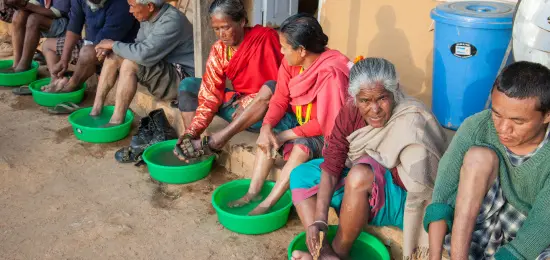
Nepal Self Care Unit
Located on the grounds of Anandaban Hospital (a hospital specialising in leprosy) in Kathmandu, the Self Care Unit is the final stop for admitted patients before going home. Here in a home environment, they are provided with practical self-care education on how to prevent further injuries while doing daily activities.
India New Project
VTC Faizabad (Vocational Training Centre Faizabad)
The Faizabad Vocational Training Centre (VTC) provides free quality, co-ed technical education to people in Uttar Pradesh aged between 16-40 years, affected by leprosy, disability and those from underprivileged backgrounds.
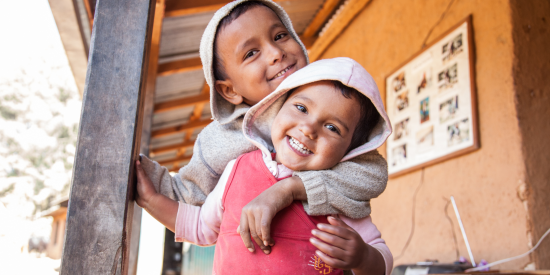
Nepal
Nepal Education Program (SEED)
The SEED (Supporting Empowerment through Education Development) Program aims to support 100 students (from primary and secondary school) with scholarships to contribute to school fees, uniforms and supplies. Students are either directly affected or the dependents of people affected by leprosy or disability. The Education Program team also provides counselling sessions to parents and students in order to encourage girls to stay in school and receive an education.
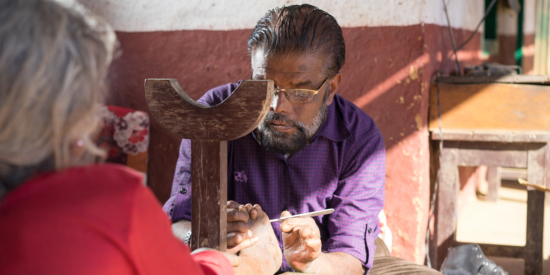
Nepal New Project
SPROUTS
SPROUTS (Strengthening Pathways for Economic Resilience through Sustainable Opportunities to Communities) seeks to improve the resilience and holistic well-being of people affected by leprosy, lymphatic filariasis and other disabilities. The project works with local government health workers to reduce transmission of disease and with Self-Help Groups to improve livelihood opportunities for vulnerable persons. The project works in Western Nepal in the districts of Nawalparasi and Nawalpur.
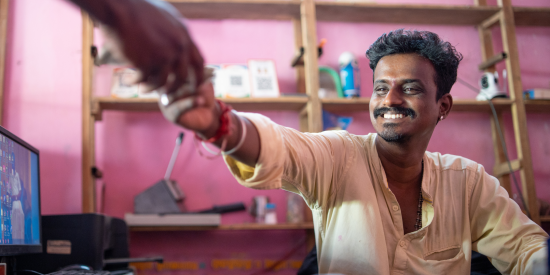
New Project India
CID (Cocreating Inclusive Development)
Following the success of the Inclusive Empowerment project, CID expands their successful health service provision models to new locations. The project continues to work towards the inclusion of persons with disabilities through providing them with comprehensive rehabilitation services, assistive devices and working with villages to develop disability inclusive communities.
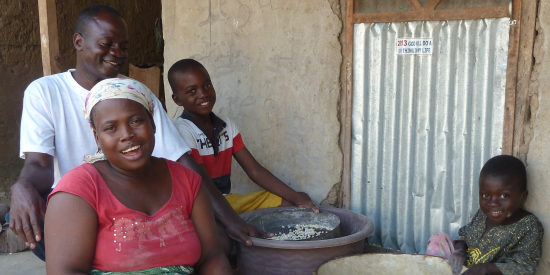
Nigeria New Project
Enhance Care for Integrated Skin NTDs in Nigeria
Working in 12 communities in the 3 states of Zamfara, Benue and Nasawara, the project works towards the elimination of Neglected Tropical Diseases as a public health problem, in particular leprosy, lymphatic filariasis and Buruli ulcers.
Indonesia
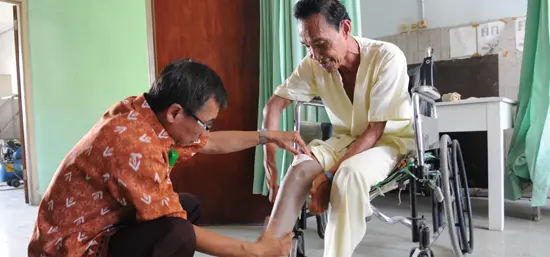
Urban Leprosy, Kotaku
The urban population, particularly around the capital city of Jakarta is rapidly expanding with rural migration, as people come to the city in search of work. With the high cost of living in cities, many people end up living in urban slums, where there is inadequate housing, poor sanitation, poor hygiene and crowded living environments. These conditions increase the risk of leprosy transmission.



The Leprosy Mission Australia is a member of the Australian Council for International Development and is a signatory to the ACFID Code of Conduct. The Code requires members to meet high standards of corporate governance, public accountability, and financial management. The Leprosy Mission Australia is committed to full adherence to the ACFID Code of Conduct. More information about the ACFID Code of Conduct may be obtained by contacting The Leprosy Mission Australia or visiting the ACFID website. Complaints relating to a breach of the ACFID Code of Conduct can be made to the ACFID Code of Conduct Committee.

We are committed to disability-inclusive development.

The Leprosy Mission Australia is a member of the Fair Trade Association of Australia and New Zealand, a network of organisations that support fairness in prices and wages, improved market access and poverty alleviation.