Does Leprosy still exist?
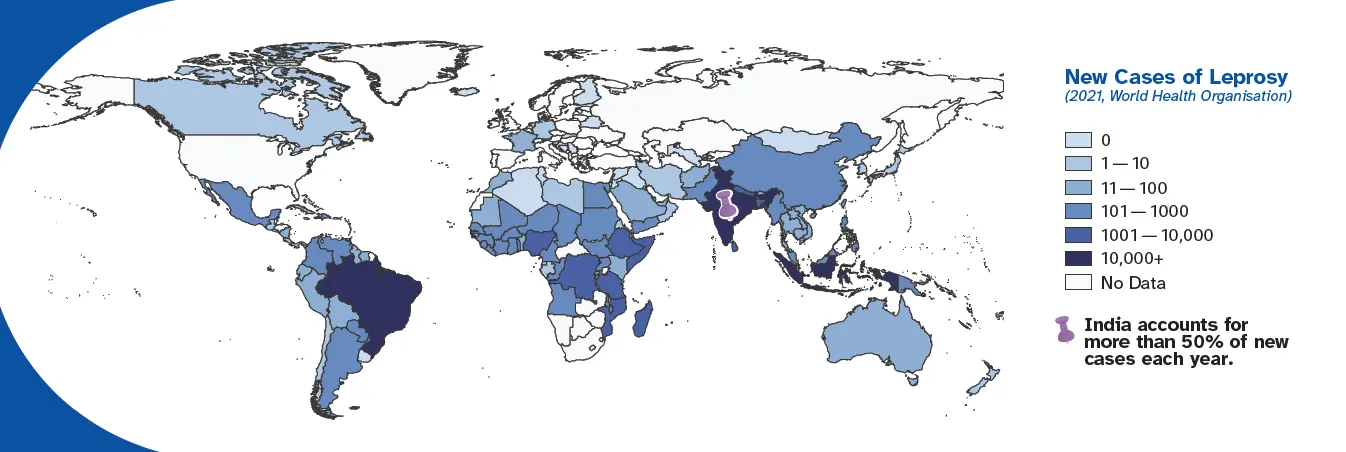
Leprosy is found all over the world — even in Australia. It is most common in places of poverty, where overcrowding and poor nutrition means people’s immune systems are not strong and they are less able to fight the disease.
Research suggests the bacteria spread through prolonged, regular exposure to a person carrying the disease. It is thought to be most likely transmitted through water borne droplets (coughing and sneezing).
The Leprosy Mission is working to defeat leprosy around the world
The Leprosy Mission is an international Christian organisation which helps people affected by leprosy. Founded in 1874, The Leprosy Mission is the oldest and largest leprosy-focused organisation in the world today.
Our expertise is in the detection, treatment, care and rehabilitation of people and communities affected by leprosy.
The Leprosy Mission works in cooperation with governments, local communities, partner and local health organisations, the World Health Organisation (WHO), local Non-Government Organisations (NGOs), local churches, Christian partners and many others to see leprosy defeated and lives transformed.

Leprosy affects relationships and mental health
When someone is affected by leprosy, those around them may isolate or reject them (or even their whole family) out of fear and lack of understanding. Relationships, marriages and families can break down. Communities may divide. It can even have a bearing on marriage prospects.
Dealing with the disease itself can cause a great amount of stress and fear. Feelings of loneliness, hopelessness, depression or worse are not uncommon for people affected by leprosy. Counselling for individuals and their families can be beneficial.
Myths around leprosy still exist in most countries. Fear of rejection by family and friends can prevent people seeking diagnosis and treatment. That puts them at higher risk of nerve damage and disability.
Community Education in general health, sanitation and leprosy is essential. By eradicating stigma, those affected can integrate into their communities and get on with living life.


The Leprosy Mission Australia is a member of the Australian Council for International Development and is a signatory to the ACFID Code of Conduct. The Code requires members to meet high standards of corporate governance, public accountability, and financial management. The Leprosy Mission Australia is committed to full adherence to the ACFID Code of Conduct. More information about the ACFID Code of Conduct may be obtained by contacting The Leprosy Mission Australia or visiting the ACFID website. Complaints relating to a breach of the ACFID Code of Conduct can be made to the ACFID Code of Conduct Committee.

We are committed to disability-inclusive development.

The Leprosy Mission Australia is a member of the Fair Trade Association of Australia and New Zealand, a network of organisations that support fairness in prices and wages, improved market access and poverty alleviation.